printed circuit prototypes impact project timelines
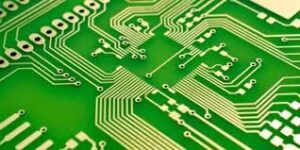
In the world of electronics, Printed Circuit Boards (PCB) are a crucial piece of technology that connect various electronic components like resistors and microchips through a complex network of pathways that ensure electricity flows in a controlled manner. Bringing innovative products to market in a timely manner often depends on transforming conceptual designs into functional prototypes that perform reliably, and this can lead to multiple iterations of a design, or “spins.” Using professional prototyping services to streamline the PCB production process, however, can help reduce the number of spins and save time and money while increasing the quality of the finished product.
The printed circuit prototype manufacturing process involves etching copper-clad boards with the pattern of the desired circuit layout. The resulting board is then built up using components, and soldered together to create a working circuit. The entire process is guided by Gerber files, which are industry-standard manufacturing files that provide a detailed description of the layout including component placement and electrical connections, along with a Bill of Materials, or list of required components. There are a variety of methods for creating PCB prototypes, including breadboarding, perf boarding, and PCB fabrication, and the method chosen typically depends on the complexity and size of the design.
Prototypes are useful for spotting flaws in the schematic and making improvements to the layout. A well-executed prototype can also serve as a model for production, which can significantly reduce the lead times needed to move to mass manufacturing. This offers a significant competitive advantage in the marketplace and is essential to meeting customer expectations for rapid product launch.
How do printed circuit prototypes impact project timelines?
Regardless of the speed at which a PCB prototype is created, it should still be subject to rigorous testing to verify that the circuit is fully functional. This can include thermal testing to evaluate the ability of the prototype to dissipate heat, EMI/EMC testing to ensure that it does not interfere with other equipment, and environmental testing to confirm that the board can operate in different temperatures and environments.
A functional prototype will contain all of the intended features and functions that will be in place for the final standard production run, but it might have some minor differences from a completed device. For example, a prototype may use a different material than the finished product or have lower manufacturing tolerances.
While reducing the amount of time it takes to get a functioning prototype can have a major impact on project timelines, it’s important to remember that time is money. A rushed production run will likely result in cost overruns due to errors and inefficiencies that could have been prevented with a thorough prototype test. Moreover, a prototype can be used as the basis for a risk assessment report, which will help identify and prioritize design changes before they are implemented in production. Working with a PCB prototype manufacturer that offers fast turnaround times and provides engineering support to mitigate risks can maximize the value of your investment.