Going out to eat in Japan is a pantomime. Visit an authentic Japanese okonomiyaki restaurant; here actions speak more than words. An okonomiyaki (Japanese pancake) course begins with asssorted bowls of ingredients like shredded cabbage (the Hiroshima version has par-boiled soba noodles), chopped up bits of raw seafood, juliennes of gari (pickled pink ginger) and katsuobushi (dried skipjack tuna) flakes aka bonito being placed next to you by a courteous server. In front is a stainless-steel teppan grill sizzling away producing aromas more complex than a Japanese dictionary.
Instructions come in the form of animated gesticulations by the server. She urges: mix all the ingredients with a thick slurry of refined wheat flour, beaten eggs and water and place the sum total on the lightly oiled teppan. She stands by like a sentinel, making sure you coax the mixture into a circular shape with the help of two tiny, metallic spatulas. Once it is grilled to perfection on one side, you’ve to flip the pancake and cook till the other side is equally crispy and golden brown. Once ready, aonori seaweed flakes, and additional katsuobushi are sprinkled all over it. Lashings of special okonomiyaki sauce, made from tomato ketchup-soy sauce-Worcestershire sauce-honey and the sweetish Kewpie Japanese mayonnaise, anoint the final product with edible goodness. This delicious DIY savoury pancake dish, perfectly named okonomiyaki, translates from Japanese to English to simply mean “as you like”. The running joke in Japan is that you get the best service at an okonomiyaki restaurant. Because you do it all yourself!
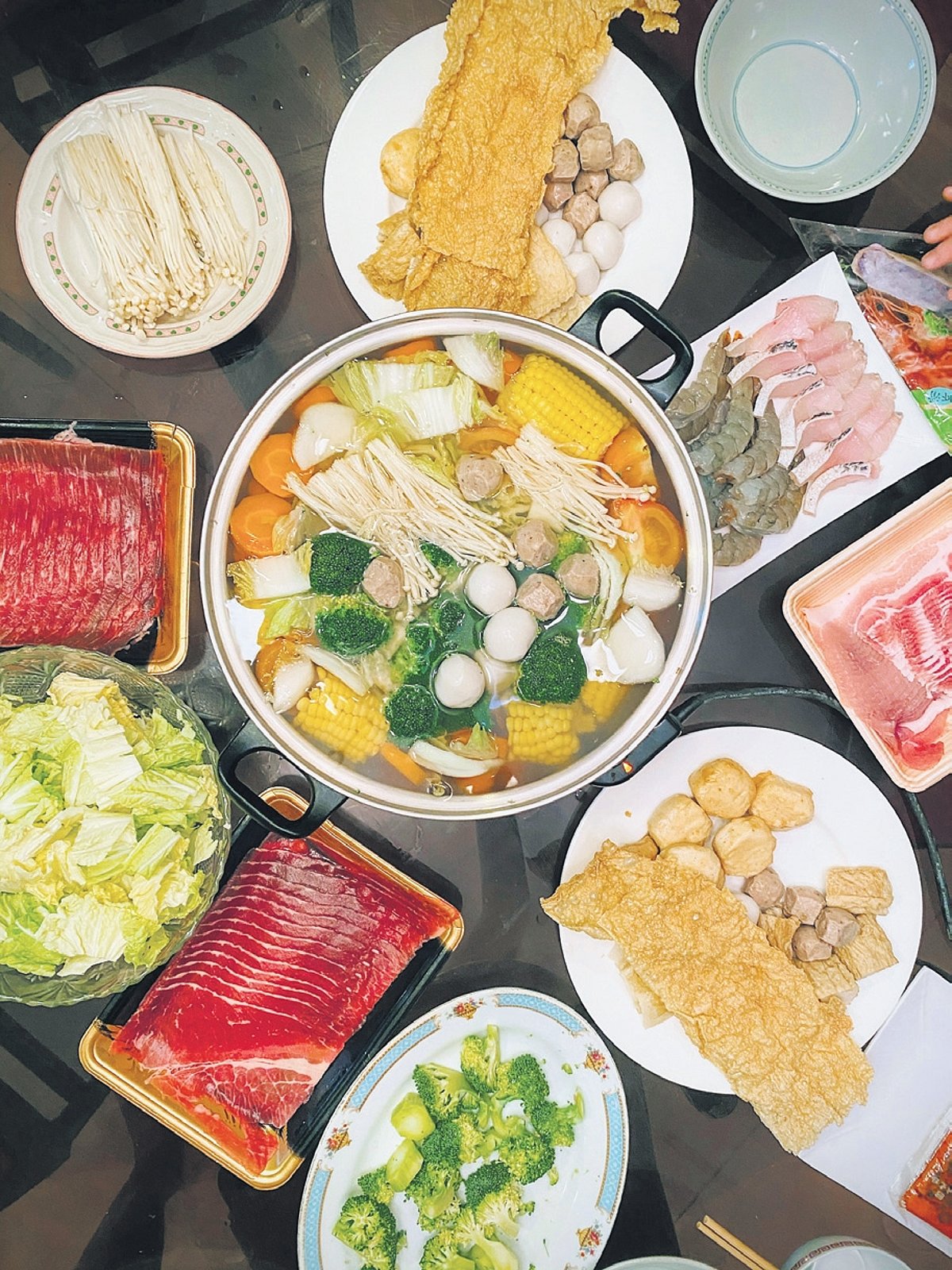
To further improve your Japanese culinary powers, more DIY options exist. Like the highly fun-to-prepare shabu-shabu. Onomatopoeically named for the swishing sound that emanates from the dashi stock (made from bonito flakes, konbu or kelp, mirinor rice wine and soy sauce)-filled pot when thin slivers of meats like pork and beef are swirled around, this preparation is best enjoyed with a group of friends. There is Chinese cabbage, shiitake and enokitake mushrooms for vegetarians. Once cooked, the meat pieces are dunked into a bowl of a yuzu, a citrus-based ponzu sauce or goma (sesame seed) sauce and chased down with morsels of rice.
Over to Thailand next. Similar to shabu-shabu, a Thai suki is another Asian DIY-style communal dish found at almost every street-food market from Bangkok’s Yaowarat market in China Town to Chiang Mai’s famous Night Market. To prepare a suki, diners place slices of meat, a few bits of seafood such as prawn and squid, pork balls and assorted veggies in a pot of lemongrass-flavoured broth bubbling away at the table. Once cooked, the meat or veggies are dipped into a bowl of spicy suki sauce, called namchimsuki in Thai, first.