printed circuit boards manufacturers
Durability is a key factor when it comes to printed circuit boards (PCBs), as they serve as the backbone of electronic devices that often undergo harsh environments and extended use. Printed circuit boards manufacturers recognize the critical importance of ensuring that their products are durable, reliable, and capable of withstanding the demands of various industries. From consumer electronics to automotive and aerospace applications, the durability of PCBs directly impacts the performance and lifespan of the devices they power. To achieve this, manufacturers employ a range of strategies and technologies to ensure that their PCBs are both robust and resilient.
One of the primary ways printed circuit boards manufacturers ensure durability is through the selection of high-quality materials. The choice of materials used for the PCB substrate and the conductive layers is crucial in determining its strength and resistance to environmental factors such as heat, moisture, and physical stress. Manufacturers often opt for materials such as FR4 (a widely used fiberglass-reinforced epoxy laminate), polyimide (used for flexible circuits), or ceramics (for high-performance applications). These materials are chosen for their mechanical strength, thermal stability, and resistance to environmental factors. By selecting the right materials for the specific application, manufacturers can ensure that the PCBs can withstand demanding conditions without compromising performance.
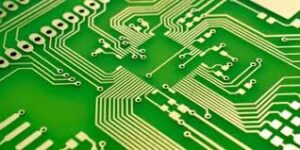
In addition to material selection, printed circuit boards manufacturers use advanced manufacturing techniques to enhance the durability of their products. One such technique is the use of thicker copper traces, which are critical for improving the PCB’s resistance to high current and thermal stress. Thicker traces reduce the risk of overheating, which can lead to component failure or thermal damage. By increasing the thickness of the copper layers, manufacturers ensure that the PCB can handle higher power loads and dissipate heat more efficiently, thereby improving its overall durability. Additionally, high-quality soldering processes, including lead-free soldering, are employed to ensure strong and reliable connections that will not degrade over time.
How do printed circuit boards manufacturers ensure durability?
Another important factor in ensuring durability is the use of protective coatings. Printed circuit boards manufacturers often apply protective layers such as conformal coatings or solder masks to safeguard the PCB from environmental hazards. Conformal coatings are thin layers of protective material that are applied to the PCB to shield it from moisture, dust, chemicals, and other contaminants that could cause damage. These coatings also help prevent corrosion and oxidation of the metal components on the PCB. Similarly, solder masks are used to protect the copper traces from short circuits, oxidation, and physical wear. By using these protective coatings, manufacturers enhance the longevity and durability of their PCBs, especially in applications where the boards are exposed to harsh conditions.
In some cases, printed circuit boards manufacturers also design their PCBs with specific mechanical features that enhance their durability. For example, PCBs used in automotive or industrial applications are often designed with reinforced edges or mounting holes that provide additional support and reduce the likelihood of mechanical damage during installation or operation. Moreover, the use of flexible PCBs, which can bend and conform to the shape of a device, is another way manufacturers increase durability in specific applications, such as wearable electronics or medical devices. These flexible PCBs are less prone to cracking or breaking under mechanical stress compared to rigid PCBs, making them suitable for environments where flexibility and durability are essential.
Manufacturers also conduct rigorous testing to ensure the durability of their PCBs. This testing includes thermal cycling tests, vibration tests, and stress tests that simulate real-world conditions and assess how well the PCB can withstand temperature fluctuations, mechanical stress, and other environmental factors. Printed circuit boards manufacturers may also conduct accelerated life testing, which involves subjecting the PCBs to extreme conditions to assess their long-term reliability. By subjecting the PCBs to these tests, manufacturers can identify potential weaknesses in the design or materials and make necessary adjustments to improve durability before the product is shipped to customers.
In conclusion, printed circuit boards manufacturers employ a combination of high-quality materials, advanced manufacturing techniques, protective coatings, and rigorous testing to ensure the durability of their products. By carefully selecting materials, enhancing the PCB’s mechanical and electrical strength, and applying protective measures, manufacturers create PCBs that are built to last. This focus on durability is essential in ensuring that the electronic devices powered by these PCBs continue to perform reliably in a variety of challenging environments, from consumer electronics to industrial machinery and beyond.