
leading the adoption of PCB rigid flex
PCB rigid flex is a great solution for designs that require both structural integrity and flexibility. It allows designers to save space and reduce weight, while still meeting the rigorous reliability standards of many industries. These include aerospace & defense, medical, automotive, and technological applications like consumer electronics and wearables. Rigid flex circuit boards can also withstand extreme temperatures, humidity, chemicals, and vibrations. This makes them perfect for mission-critical applications, such as navigation systems and UAVs.
The key to making PCB rigid flex a success is having robust design and production capabilities that can handle complex designs. Fortunately, modern electronics cloud manufacturing solutions make this possible by automating the design process and enabling teams to create custom PCBs at scale. Rigid-flex PCBs can also be produced using advanced fabrication techniques, such as laser drilling and chemical copper plating, to ensure the highest quality and precision.
While some manufacturers may offer cheaper alternatives to rigid-flex, opting for the higher-quality option can save businesses money in the long run. This is because shoddy circuitry can cause numerous unplanned costs and repairs, including thermal issues, electrical performance issues, mechanical failures, and reduced lifespan. High-quality pcb rigid flex are designed to withstand these challenges, offering superior durability and reliability over the long term.
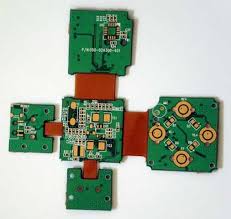
What industries are leading the adoption of PCB rigid flex?
To keep costs down, it is important to invest in innovative technologies and processes. Companies can do this by implementing new equipment and materials to improve the efficiency of the manufacturing process, reducing overall costs. They can also achieve cost efficiencies through standardizing features and components across different wearable models, which leads to economies of scale and streamlined manufacturing.
It is also crucial to use the right material for each application, and choose the most cost-effective method of assembly. While high-quality rigid-flex PCBs are expensive to manufacture, they offer better reliability in the long term compared to cheaper alternatives. Rigid-flex circuit boards are built to withstand high-frequency, vibrations, and harsh environments, which makes them a better choice for automotive, aerospace, and military applications.
A good way to lower the cost of PCB rigid flex is by selecting the right material for each application. For example, a rigid-flex PCB for an industrial control system might require a rigid core with adhesive-less polyimide layers and copper film. The flex sections would be made from two layers of prepreg and copper film fortified with fiberglass, additional copper layers, and solder mask.
Rigid-flex PCBs are commonly used in electronic devices, such as smartphones, tablets, and laptop computers. They can also be found in appliances, such as microwave ovens, CCTV surveillance systems, and industrial air conditioners. In addition to being easy to assemble and durable, these circuit boards can help manufacturers save space and reduce weight in their products. The rigid-flex PCB market is led by OEMs and EMS providers, who work together to meet customer demand for advanced and reliable electronics. These collaborations are expected to drive the growth of this market over the next few years.