
Managed Firewall Service in the Context of Cybersecurity Services
Firewalls are an essential part of any business’ cybersecurity infrastructure. However, firewalls are not plug and play tools; they are complex pieces of technology that require significant technological knowledge to create, install and maintain. Unless a business has the in-house expertise to perform these tasks, a managed firewall service may be a more cost-effective option. Firewalls are one of the first lines of defense against cyberattacks. managed cybersecurity services include configuring and maintaining firewalls to control inbound and outbound network traffic, block malicious connections, and prevent unauthorized access.
Managed firewall services are provided by third-party providers, often referred to as Managed Security Service Providers (MSSPs). They take responsibility for configuring, monitoring, updating and maintaining a business’s firewall. This allows the internal IT team to focus on other security initiatives without the worry of keeping up with evolving threats.
One of the biggest benefits of a managed firewall service is saving time. For IT teams that deal with a variety of technologies, threat types and user issues on a daily basis, it is easy to burn out and become overwhelmed. A managed firewall service can take one of the most important security initiatives off of an IT team’s to-do list and allow them to check it off as completed.
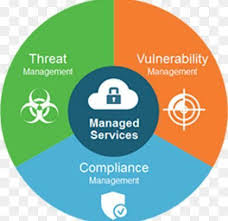
What Is a Managed Firewall Service in the Context of Cybersecurity Services?
Another benefit of a managed firewall service is providing more visibility into network activity. For example, a managed firewall provider will be able to pinpoint specific areas of the network that are exposed to cybercriminals and can make recommendations on how to protect them. This helps the IT team to better understand their network and the way in which it is used by employees, customers and other stakeholders.
When a managed firewall service is implemented, it provides businesses with a scalable solution that can grow with the organization. This is especially beneficial for organizations that must comply with information security regulations, such as SOX. In addition to protecting current networks, managed firewall services can also be configured to automatically scan and identify new devices, users and security vulnerabilities when they are introduced into the organization.
The decision to implement a managed firewall service will depend on the needs and budget of each organization. In many cases, a managed firewall service can be more cost-effective than the capital costs of purchasing and installing a physical firewall. In addition to reducing costs, the use of a managed firewall service can help a business avoid expensive and devastating cyber breaches that can result from incorrect or outdated firewall configurations. These risks can be mitigated by having a team of experts on the case to monitor and update firewalls as needed. Considering the cost of resolving a breach, these benefits are well worth the additional expense.
SIEM solutions are central to managed cybersecurity services. SIEM tools collect and analyze security data from across an organization’s IT infrastructure, providing real-time insights into potential threats and vulnerabilities. By aggregating data from firewalls, intrusion detection systems (IDS), endpoints, and other security devices, SIEM platforms help organizations identify patterns of suspicious activity and detect attacks early.


